


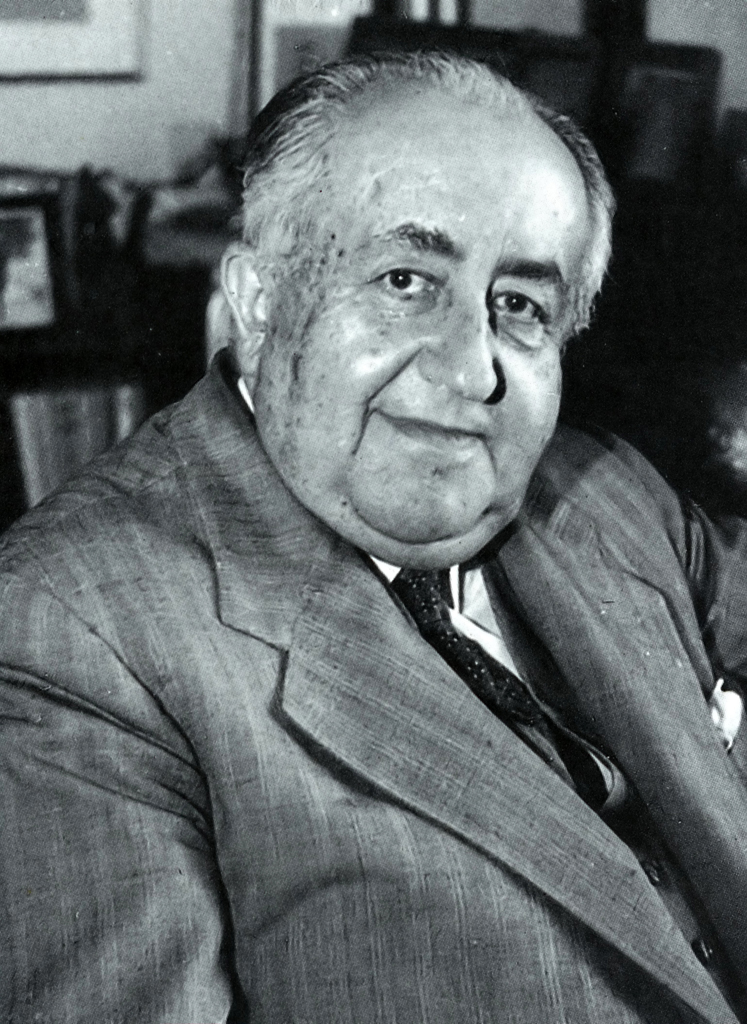
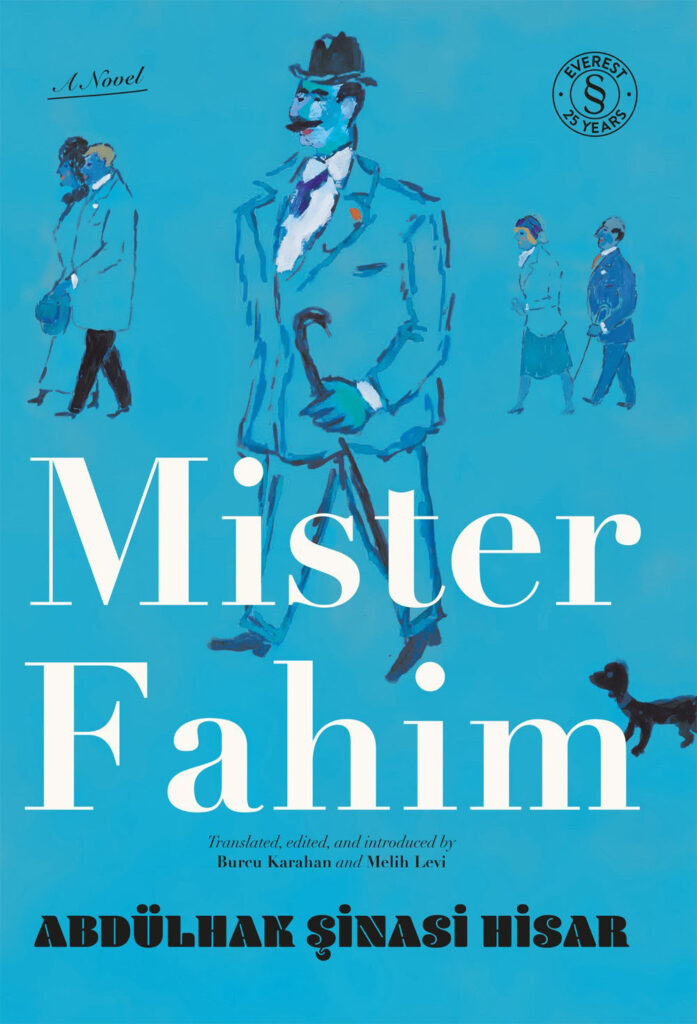
Abdülhak Şinasi Hisar’ın “Fahim Bey ve Biz” adlı romanı Everest Yayınları tarafından Burcu Karahan ve Melih Levi tarafından İngilizceye çevrildi.
Tanıtım bülteninden:
Zamanı ve insanı en ince ayrıntılarıyla işleyen Abdülhak Şinasi Hisar’ın ölümsüz eseri Fahim Bey ve Biz, Burcu Karahan ve Melih Levi’nin titiz çalışmasıyla İngilizcede: Mister Fahim.
Bu baskı, sıradan bir çeviri sürecinin çok ötesinde bir edebiyat olayı. Stanford Üniversitesi Hoover Enstitüsü arşivlerinde, 1950’lerden kalma Eleanor Bisbee ve Mithat Esmer imzalı kayıp bir taslağın keşfiyle başlayan süreç, bugün elimizdeki bu yetkin baskıyla taçlandı. Geçmişin emeğine duyulan saygı, bugünün diliyle harmanlandı.
Abdülhak Şinasi Hisar için Orhan Pamuk “kahramanlarımdan biri” der. Onun Fahim Bey karakterini ise, Claire Messud, Italo Svevo’nun karakterleriyle kıyaslar; o, hayalleri, hüsranları ve “kuramadığı” o büyük şirketleriyle artık evrensel bir kahraman.
Türk edebiyatının en “nevi şahsına münhasır” karakteri Fahim Bey, artık “Mister Fahim”.
Abdülhak Şinasi Hisar’dan “Mister Fahim” kitap satılan her yerde.
“Who would willingly remain imprisoned in reality? asks the narrator in this novel. Few works have been able to convey the tension between the individual who strives to go beyond the present with the dream of living in the future and the society they find themselves in, with such masterful and perpetually vibrant language as Mister Fahim. This novel not only portrays twentieth-century people and Istanbul, but also offers us a window through which to view our present times.”
Burhan Sönmez, author of Istanbul Istanbul & Lovers of Franz K.,and President of PEN International
“Hisar’s Mister Fahim is a treasure of 20th century literature wonderfully brought to us at last in English. Quixotic, delicious, in equal measure hilarious and poignant, Mister Fahim is, like Svevo’s Zeno, a character whose foibles reflect our own, and whose pathos and humanity speak resoundingly to our contemporary moment.”
Claıre Messud, author of The Emperor’s Children
Set during the twilight of the Ottoman Empire and the dawn of the Turkish Republic, the novel was hailed as a “burst of brilliance” upon its 1941 publication. Nobel laureate Orhan Pamuk has praised Abdülhak Şinasi Hisar’s Proustian sensibility and named him one of his “four heroes” for capturing Istanbul’s soul and the city’s delicate tensions between past and present, East and West. Mister Fahim is a mediation on memory, nostalgia, and change in a world on the cusp of transformation.